

Sopa de Albóndigas (Mexican Meatball Soup)
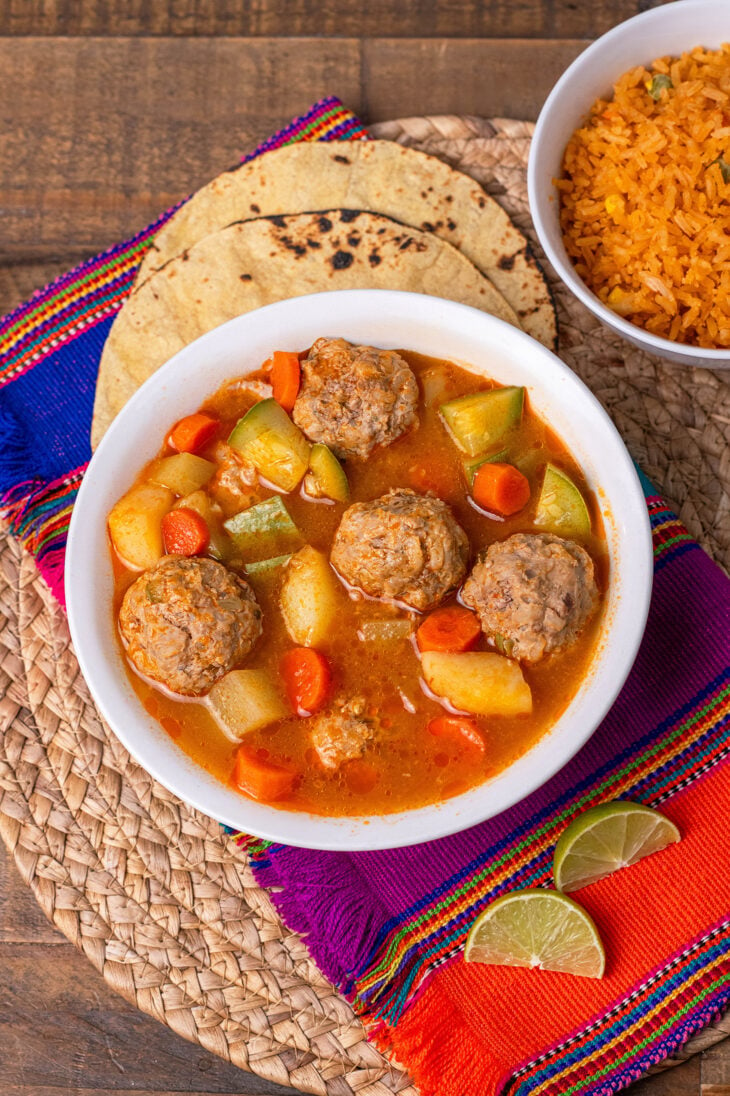
Nothing more comforting than a bowl of Sopa de Albóndigas
There’s something incredibly comforting about a steaming bowl of Sopa de Albóndigas. This traditional Mexican meatball soup is the kind of meal that brings everyone to the table, especially when the weather begins to cool. Tender meatballs made with ground beef, pork, rice, fresh herbs, and finely chopped vegetables simmer in a flavorful tomato broth alongside carrots, potatoes, chayote, and Mexican squash. Every spoonful is hearty, nourishing, and full of familiar flavors. It’s a wonderful example of Mexican home cooking, where simple ingredients come together to create a satisfying meal that tastes like home.
Related Recipe: Sopa de Video
What Is Sopa de Albóndigas?
Sopa de Albóndigas, or Mexican meatball soup, is a beloved comfort food found in kitchens throughout Mexico. Unlike Italian-style meatballs, which are often served with pasta or tomato sauce, Mexican albóndigas are typically simmered directly in a seasoned broth with vegetables.
What makes this soup particularly special is the combination of rice and fresh herbs incorporated into the meatballs. The rice helps create a tender texture, while peppermint adds a subtle, refreshing flavor that complements the richness of the meat.
The broth is equally important. Fresh tomatoes, onion, and garlic form a flavorful base that becomes even more delicious as the meatballs and vegetables cook together.
A Little History of Sopa de Albóndigas
The history of albóndigas reflects the many cultural influences that have shaped Mexican cuisine. The word albondiga comes from the Arabic al-bunduqa, meaning a small round object or ball. Meatball preparations traveled through the Iberian Peninsula during centuries of Arab influence and eventually made their way to Mexico through Spanish colonization.
Over time, Mexican cooks adapted these preparations using local ingredients and regional cooking traditions. Tomatoes, squash, chayote, and native herbs helped transform the dish into the comforting soup enjoyed today.
Like many traditional Mexican dishes, there isn’t one definitive version of Sopa de Albóndigas. Recipes vary from family to family, with different combinations of meat, vegetables, herbs, and seasonings. Some versions feature a light broth, while others have a richer tomato base.
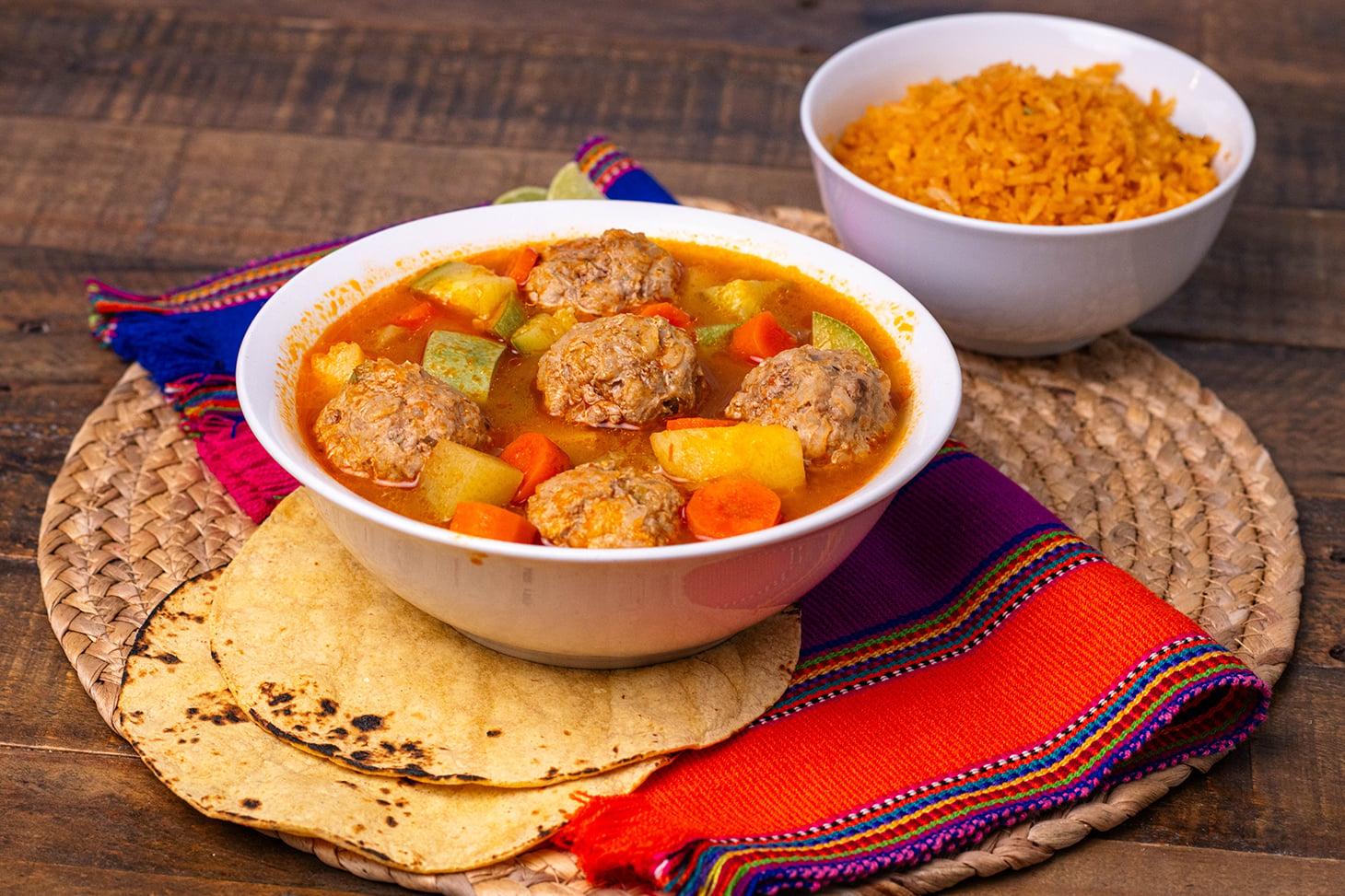
Ingredient Variations
One of the wonderful things about Sopa de Albóndigas is how easily it can be adapted to the ingredients you have available.
Ground meat: This recipe combines ground beef and ground pork for flavorful, tender meatballs. You can use all beef or substitute ground turkey or chicken for a lighter version. Leaner meats may produce slightly firmer meatballs.
Fresh herbs: Peppermint is a distinctive ingredient in this recipe, adding a delicate herbal note without overpowering the broth. Fresh spearmint, commonly known as hierbabuena, is another traditional choice. You can also experiment with fresh cilantro for a different flavor.
Vegetables: Carrots, potatoes, chayote, celery, and Mexican squash make this soup especially hearty. Zucchini is an excellent substitute for Mexican squash. Green beans, corn, or cabbage are also delicious additions.
Rice: White rice is traditionally mixed into the meatballs to give them a tender consistency. Par-cooking the rice helps ensure it finishes cooking properly inside the meatballs.
Broth: Beef broth gives this version a rich, savory flavor, but chicken broth can be used for a lighter taste. The fresh tomato base provides plenty of flavor either way.
Serving Suggestions
Sopa de Albóndigas is filling enough to enjoy as a complete meal, but a few simple accompaniments make it even more satisfying.
- I love serving it with a generous squeeze of fresh lime juice. The acidity brightens the tomato broth and balances the richness of the meatballs.
- A side of Mexican rice is another delicious option. You can serve it separately or spoon a little into your bowl to soak up the broth.
- Warm corn tortillas are perfect for enjoying alongside the soup. For a little extra heat, offer your favorite homemade salsa or sliced serrano peppers at the table.
- Finish with freshly chopped cilantro, if desired, and serve the soup piping hot.
How to Store and Reheat
Sopa de Albóndigas makes wonderful leftovers because the flavors continue to develop as the soup rests.
- Refrigerator: Allow the soup to cool slightly, then transfer it to shallow, airtight containers and refrigerate within two hours. Store for up to 3 to 4 days.
- Freezer: Freeze cooled soup in freezer-safe containers for up to 3 months for best quality. Leave room for expansion. Keep in mind that potatoes and squash may become softer after thawing.
- Reheating: Warm the soup gently in a saucepan over medium-low heat until the meatballs and broth are heated through to 165°F. Add a splash of broth or water if needed.
A Bowl of Mexican Comfort
Sopa de Albóndigas is more than a simple meatball soup. It’s a celebration of Mexican home cooking, filled with ingredients that are humble, familiar, and deeply satisfying. Whether you’re making it for a Sunday family meal, a chilly evening, or simply craving something comforting, this soup brings warmth and tradition to every bowl.
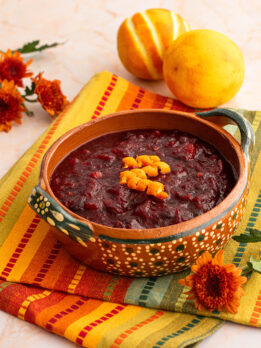
Chipotle Cranberry Sauce
- Prep Time: 5 minutes
- Cook Time: 15-20 minutes
- Total Time: 25 minutes
- Yield: Makes 2 cups 1x
- Category: Side Dish
- Cuisine: American, Mexican
Description
This Chipotle Cranberry Sauce is a sweet, tart, and smoky twist on a holiday classic. Made with fresh cranberries, chipotle peppers in adobo, orange juice, and a hint of cinnamon, it’s the perfect balance of flavors with just a little heat. Easy to make ahead, it’s a delicious addition to your Thanksgiving table and pairs beautifully with turkey, roasted meats, and holiday cheese boards.
Ingredients
- 1 (12-ounce) bag fresh cranberries, rinsed
- ¾ cup granulated sugar
- ½ cup freshly squeezed orange juice
- ¼ cup water
- 1–2 chipotle peppers in adobo sauce, finely chopped
- 1 tablespoon adobo sauce
- 1 teaspoon finely grated orange zest
- ¼ teaspoon ground cinnamon
- ⅛ teaspoon salt
Instructions
- In a medium saucepan, combine the cranberries, sugar, orange juice, and water. Bring to a gentle boil over medium heat.Reduce heat to medium-low and simmer for 8–10 minutes, stirring occasionally, until the cranberries begin to burst.
- Stir in the chopped chipotle peppers, adobo sauce, orange zest, cinnamon, and salt.
- Continue cooking for 5–8 minutes, stirring occasionally, until the cranberries have softened and the sauce has thickened. Gently mash some of the cranberries with the back of a spoon, leaving others whole for texture.
- Remove from heat and let cool. The sauce will continue to thicken as it cools.
- Serve at room temperature or chilled.
Notes
-
Adjust the heat: Start with 1 chipotle pepper for a mild smoky flavor, or use 2 for a spicier sauce. The heat will vary depending on the size of the peppers.
-
Fresh or frozen cranberries: Either works well. If using frozen cranberries, there’s no need to thaw them before cooking. You may need to add a few minutes to the cooking time.
-
Adjust the sweetness: Taste the sauce after cooking and add 1–2 tablespoons of sugar if it’s too tart.
-
For a smoother consistency: Mash more of the cranberries with the back of a spoon or briefly use an immersion blender. For a chunkier sauce, leave more berries whole.
-
Make ahead: Prepare the sauce 1–3 days in advance to allow the flavors to develop. Refrigerate in an airtight container for up to 7 days.
-
Storage: Freeze in a freezer-safe container for up to 3 months. Thaw overnight in the refrigerator.
-
Serving tip: The sauce thickens as it cools. Serve chilled or at room temperature. If it’s too thick, stir in a splash of orange juice to loosen it.
Nutrition
- Serving Size: 1/4 cup
- Calories: 105
- Sugar: 22 g
- Sodium: 75 mg
- Fat: .2 g
- Saturated Fat: 0 g
- Unsaturated Fat: .1 g
- Trans Fat: 0 g
- Carbohydrates: 27 g
- Fiber: 2 g
- Protein: 0.3 g
- Cholesterol: 0 mg
FAQs
Rice helps give albóndigas their characteristic tender texture. It absorbs moisture and flavor as the meatballs cook, making them especially delicious. Some families use uncooked rice, but this recipe calls for par-cooked rice to help ensure even cooking.
Absolutely! This soup is an excellent make-ahead meal. Prepare it a day in advance, refrigerate it properly, and reheat before serving. The vegetables will soften slightly, but the broth will remain flavorful.
The eggs help bind the meat mixture, while the rice contributes structure. Mix the ingredients until combined, shape the meatballs firmly without overworking them, and carefully lower them into the simmering broth. Avoid vigorous stirring during the first few minutes of cooking.
Yes! Arrange the uncooked meatballs on a parchment-lined baking sheet and freeze until firm. Transfer them to a freezer-safe container or bag and store for up to 3 months for best quality. Thaw overnight in the refrigerator before adding them to the broth, and cook thoroughly.


