
Cochinita Pibil
Traditional Cochinita Pibil: Tender Achiote-Marinated Pork
If there is one dish that captures the bold flavors and rich culinary traditions of Mexico’s Yucatán Peninsula, it’s Cochinita Pibil. This iconic slow-cooked pork dish is known for its vibrant red-orange color, tender texture, and deeply savory flavor. Marinated in achiote paste and citrus juice before being cooked low and slow, cochinita pibil transforms simple ingredients into something truly extraordinary.
Whether served in warm corn tortillas, piled onto tortas, or enjoyed alongside rice and beans, cochinita pibil is a dish that brings people together. It’s often prepared for celebrations, family gatherings, and special occasions, but it’s also surprisingly easy to make at home. The long cooking time allows the pork to become incredibly tender while absorbing all of the flavors from the marinade.
Related Recipe: Birria Tacos
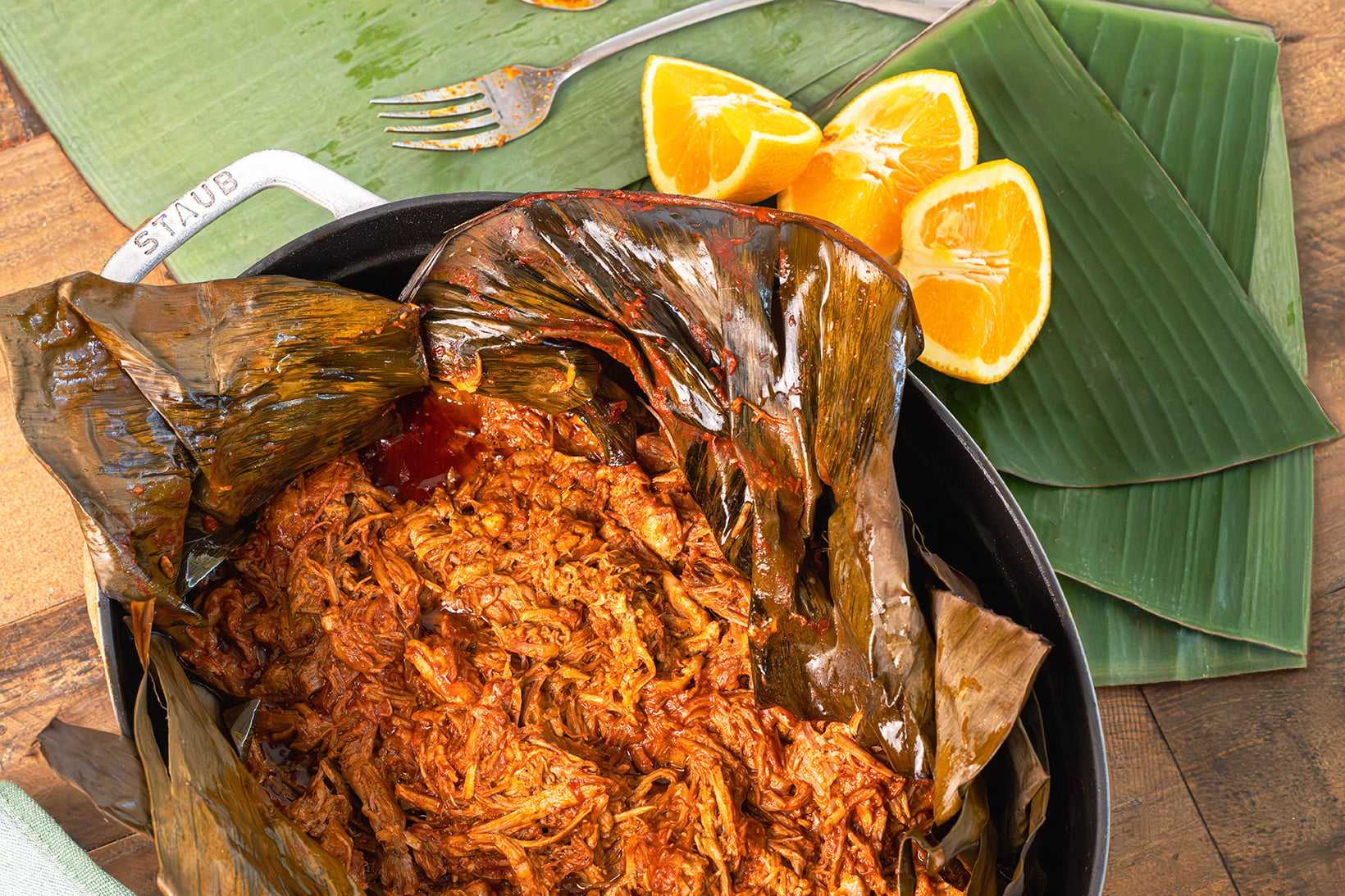
What Does Cochinita Pibil Taste Like?
One of the reasons cochinita pibil is so memorable is its unique balance of flavors.
Achiote paste provides earthy, slightly peppery notes along with its signature deep red color. Citrus juices add brightness and acidity that help tenderize the pork while balancing its richness. Garlic, oregano, and spices create layers of savory flavor that develop during the long cooking process.
The finished dish is rich without feeling heavy. The pork is juicy and succulent with subtle smoky, tangy, and savory notes in every bite. When topped with pickled red onions, the acidity cuts through the richness and creates the perfect contrast.
The History of Cochinita Pibil
Cochinita pibil has its roots in the ancient culinary traditions of the Maya people who inhabited the Yucatán Peninsula long before the arrival of the Spanish. The word pibil comes from the Mayan word pib, which refers to an underground oven used for cooking food.
Traditionally, pork was marinated with achiote and sour orange juice, wrapped in banana leaves, and buried in a pit lined with hot stones. The meat would slowly cook underground for several hours, resulting in exceptionally tender and flavorful pork.
While modern kitchens have replaced underground ovens with Dutch ovens, slow cookers, and ovens, the essential flavors remain the same. Today, cochinita pibil is considered one of the most iconic dishes of Yucatán cuisine and is enjoyed throughout Mexico and beyond.
Texture and Appearance
The texture of cochinita pibil is one of its greatest qualities.
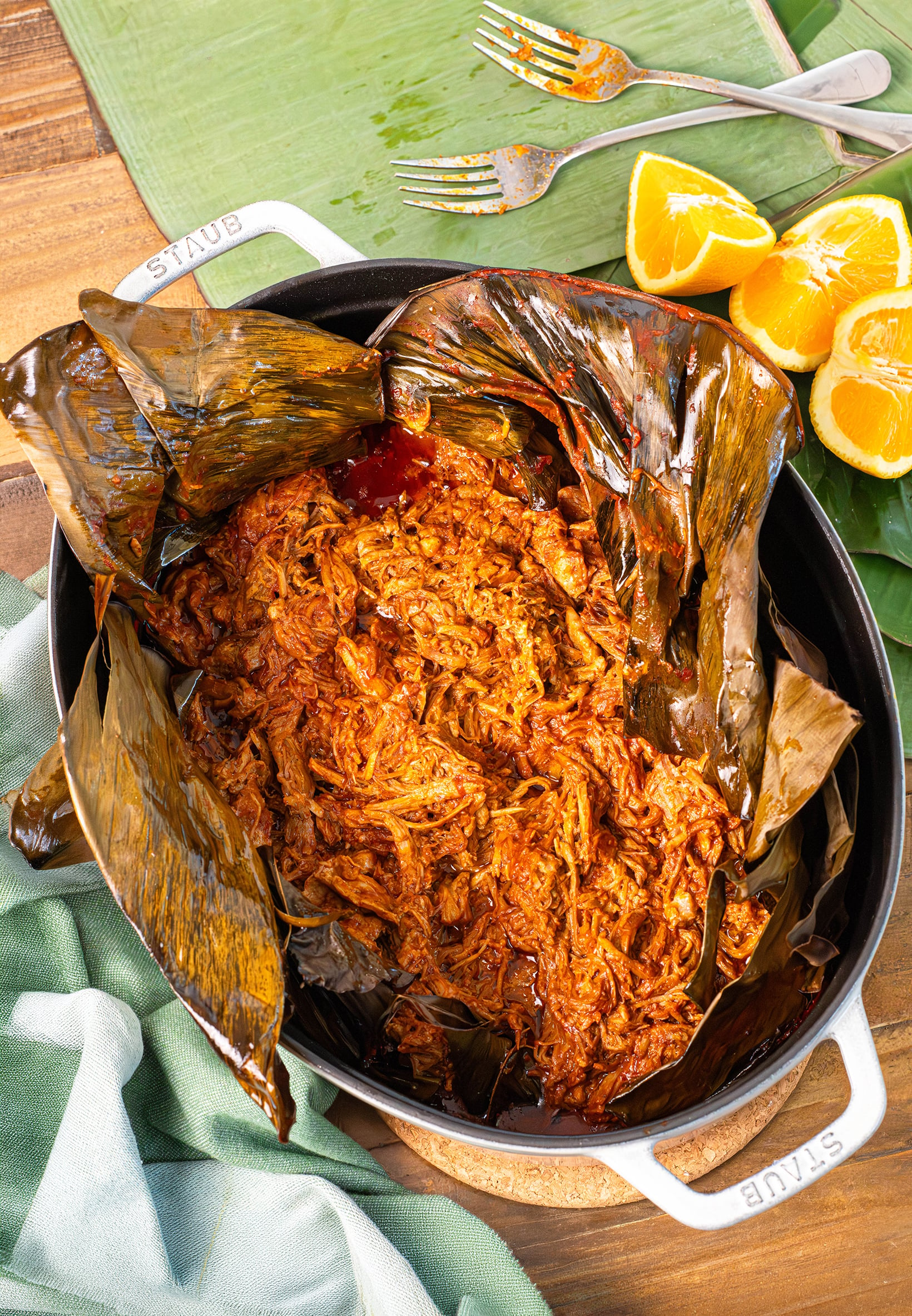
After several hours of cooking, the pork becomes incredibly tender and easily shreds with a fork. The meat remains moist thanks to the flavorful cooking juices and rendered fat.
Visually, cochinita pibil is stunning. The achiote marinade gives the pork a beautiful brick-red color that stands out on the plate. Garnished with bright pink pickled onions, fresh cilantro, and lime wedges, it’s a dish that looks just as impressive as it tastes.
Ingredient Variations
While traditional cochinita pibil follows a time-honored recipe, there are a few variations you may encounter.
- Pork Shoulder or Pork Butt: These cuts are the most common choices because they contain enough fat to remain moist during long cooking times. They also shred beautifully once cooked.
- Sour Orange Juice: Authentic Yucatán recipes often use sour oranges. If sour oranges are unavailable, a combination of orange juice and lime juice creates a similar balance of sweetness and acidity.
- Banana Leaves: Banana leaves contribute subtle flavor and help keep the meat moist. If you cannot find them, the dish can still be prepared successfully using a tightly covered Dutch oven.
- Different Levels of Heat: Traditional cochinita pibil is not particularly spicy. Heat is usually added through habanero salsa served on the side, allowing each person to adjust the spice level to their preference..
Serving Suggestions
- Cochinita pibil is incredibly versatile and can be enjoyed in several ways.
- Serve it in warm corn tortillas topped with pickled red onions and habanero salsa for classic tacos. It also makes a delicious filling for tortas, quesadillas, burritos, and rice bowls.
- For larger gatherings, pair it with black beans, Mexican rice, avocado, grilled vegetables, and fresh lime wedges. The leftovers are just as delicious and often taste even better the next day.
Storage and Reheating Tips
- Cochinita pibil stores exceptionally well, making it perfect for meal prep and entertaining.
- Store leftovers in an airtight container along with some of the cooking juices to help keep the meat moist. Refrigerate for up to 4 days.
- To reheat, place the pork in a skillet over medium-low heat with a splash of the reserved juices. You can also warm it in the microwave or oven until heated through.
- For longer storage, freeze the shredded pork and cooking juices in freezer-safe containers for up to 3 months. Thaw overnight in the refrigerator before reheating.
FAQs
Pibil refers to a traditional Mayan cooking method in which food is wrapped and cooked in an underground pit oven called a pib.
Yes. While banana leaves add authenticity and subtle flavor, the dish can still be prepared successfully in a covered Dutch oven or roasting pan.
Achiote paste is a seasoning made from annatto seeds, spices, herbs, and vinegar. It gives cochinita pibil its distinctive color and flavor.
No. The pork itself is generally mild. Spiciness is usually added through habanero salsa served on the side.
Pork shoulder or pork butt are the preferred cuts because they contain enough marbling to stay moist and become tender during long cooking.
Absolutely. In fact, many people believe the flavor improves after resting overnight. Simply refrigerate and reheat before serving.
Cochinita Pibil
- Category: Dinner
- Method: Baking, Roasting, Slow Cooking
- Cuisine: Mexican
Description
Tender pork shoulder is marinated in a vibrant achiote-citrus sauce, wrapped in banana leaves, and slow-cooked until irresistibly juicy and fall-apart tender. This traditional Yucatán-style Cochinita Pibil is packed with bold, earthy flavor and served with tangy pickled red onions for the perfect balance of richness and brightness. Whether tucked into warm corn tortillas or served as part of a festive spread, this iconic Mexican dish is sure to become a family favorite.
Ingredients
- 1 (6-pound) boneless pork butt (Boston butt)
- 2 (3.5-ounce) packages achiote paste
- 1 1/2 cups fresh orange juice
- 3/4 cup fresh lime juice
- 10 garlic cloves
- 1 1/2 tablespoons salt
- 1 tablespoon dried Mexican oregano
- 1 1/2 teaspoons ground cumin
- 1 teaspoon freshly ground black pepper
- 2 bay leaves
- 4 large banana leaves, thawed if frozen
Instructions
Place achiote paste, orange juice, lime juice, garlic, salt, oregano, cumin, and black pepper in a blender. Blend until smooth.
Place pork in a large bowl or resealable bag. Pour the marinade over the pork and toss until evenly coated. Cover and refrigerate for at least 12 hours or up to 24 hours.
Preheat the oven to 300°F.
Briefly pass the banana leaves over an open flame or rinse with hot water to make them pliable. Line a large Dutch oven with the banana leaves, allowing them to hang over the sides.
Transfer the marinated pork and all of the marinade to the Dutch oven. Add the bay leaves. Fold the banana leaves over the pork to enclose it. Cover with the lid.
Bake for 5 to 6 hours, or until the pork is fork-tender and easily shreds. The meat should reach an internal temperature of approximately 200°F to 205°F.
Remove the Dutch oven from the oven and let stand for 15 minutes.
Discard the bay leaves. Shred meat with two forks and toss shredded meat in juices until evenly coated.
Serve the cochinita pibil with warm corn tortillas, pickled red onions, habanero salsa, lime wedges, and cilantro.
Notes
For crispy edges, spread a portion of the shredded pork on a baking sheet and broil for 3 to 5 minutes. Toss with additional cooking juices before serving.