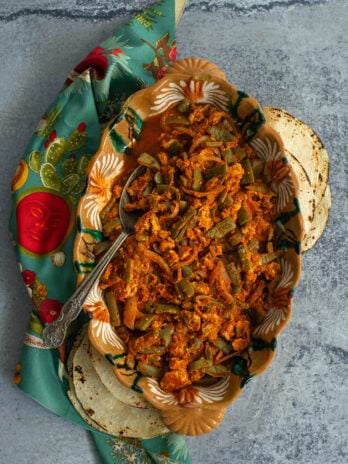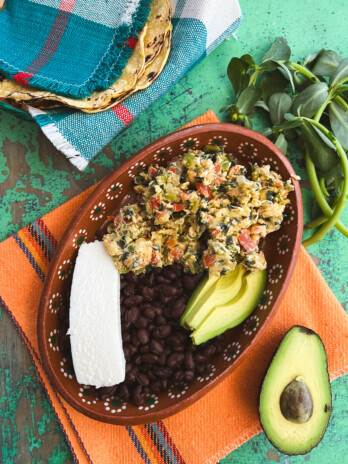

How to Poach Eggs
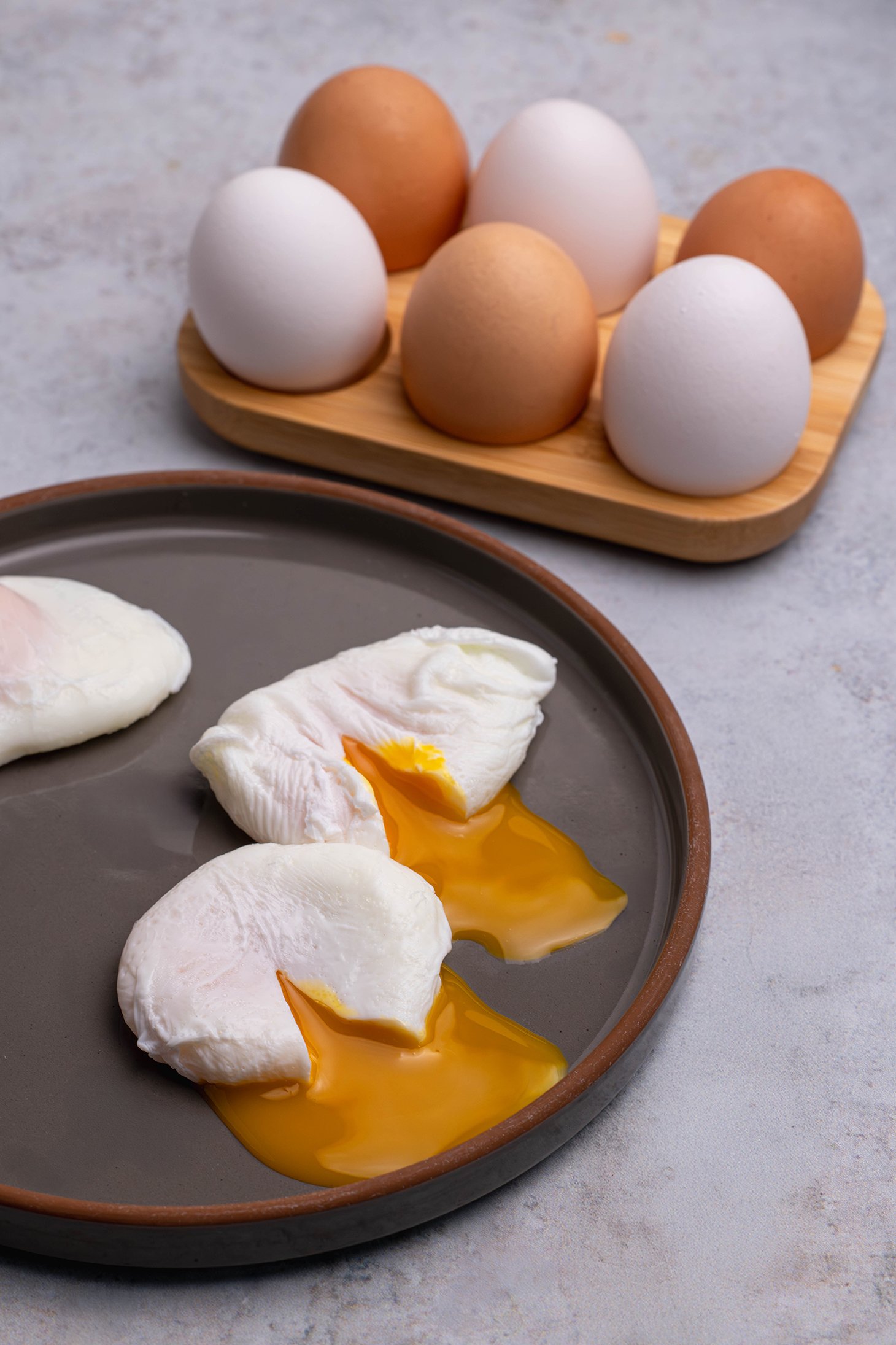
How to Poach Eggs: A foolproof method for soft whites and perfectly runny yolks
Poached eggs have a reputation for being fussy, but I promise. they’re one of those kitchen skills that feels intimidating until you do it once or twice. After that? Total confidence boost. Whether you’re topping toast, a grain bowl, or sneaking one onto leftovers, a perfectly poached egg instantly makes a dish feel special.
This method is simple, reliable, and forgiving. Let’s walk through it together.
Related Recipe: How to Cut and Cook Nopales (Cactus Pads)
Why Learn to Poach Eggs
Poached eggs are creamy, delicate, and endlessly versatile. There’s no oil, no flipping, and no stress once you understand the basics. Plus, that moment when the yolk breaks and spills? Pure kitchen joy.
If yours aren’t perfect the first time, don’t worry! Even “messy” poached eggs are still delicious.
How to Serve Poached Eggs
Poached eggs shine on their own, but they also love good company. Here are some favorite ways to serve them:
- On toast: Sourdough, whole grain, or bolillo with butter, avocado, or a swipe of refried beans.
- Over grains: Rice, farro, or quinoa bowls with roasted vegetables.
- With greens: On top of sautéed spinach, kale, or chard.
- Breakfast plates: Alongside potatoes, roasted tomatoes, or chorizo.
- Soups & stews: Float one over caldo, pozole, or a simple broth for extra richness.
- Leftovers upgrade: Add a poached egg to last night’s veggies or rice. It instantly feels new.
Finish with flaky salt, cracked pepper, chili crisp, salsa macha, or a drizzle of olive oil.
Poached Egg Hacks & Tricks
- Use fresh eggs. Fresher eggs have tighter whites, which means a cleaner, prettier poach.
- Vinegar is your friend. You won’t taste it, but it helps the egg whites set faster.
- Lower the heat. If the water is boiling too hard, the eggs will break apart.
- Practice with one egg first. Especially while learning. Confidence comes quickly then you can move on to more eggs at a time.
- No whirlpool? No problem. The swirl helps, but it’s not mandatory. Gentle water matters more.
- Stray whites happen. Don’t panic. They won’t affect the taste.
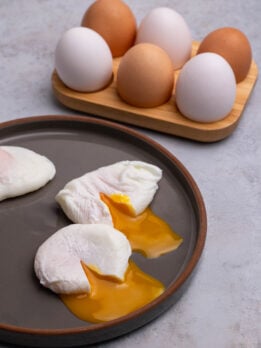
How to Poach Eggs
- Prep Time: 2 minutes
- Cook Time: 3-4 minutes
- Total Time: 0 hours
- Yield: 1–3 eggs 1x
Description
Learn how to poach eggs perfectly every time! Soft, tender whites and runny yolks made easy with simple steps, helpful hacks, and serving ideas.
Ingredients
- water
- 1 tablespoon white vinegar
- 1–3 fresh eggs
Instructions
 Fill a saucepan with about 3 inches of water and bring it to a gentle simmer. You’re looking for small bubbles at the bottom of the pan, not a rolling boil.
- Add the vinegar and gently stir.
- Crack each(s) egg into a small bowl or ramekin (especially helpful if you’re new to poaching).
- Use a spoon to stir the water in a slow, circular motion, creating a soft whirlpool.
- Carefully lower the egg into the center of the swirl. Gently continue swirling for a few seconds to help the whites wrap around the yolk.
- Cook for 3–4 minutes for a runny yolk, or 4–5 minutes for a slightly firmer center.
- Lift the egg out with a slotted spoon.
- Transfer to a paper towel–lined plate to drain.
- Serve immediately.
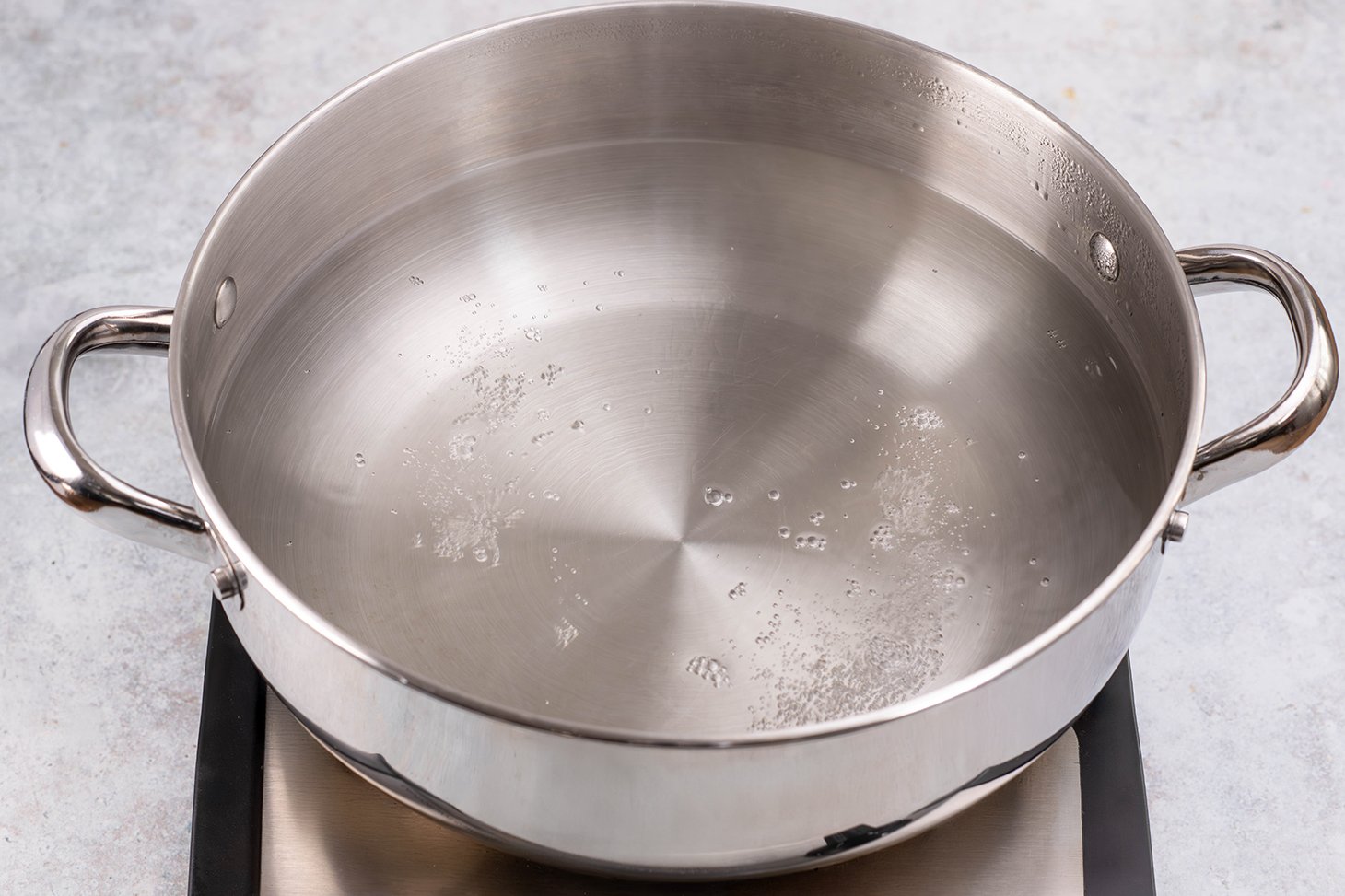 Fill a saucepan with about 3 inches of water and bring it to a gentle simmer. You’re looking for small bubbles at the bottom of the pan, not a rolling boil.
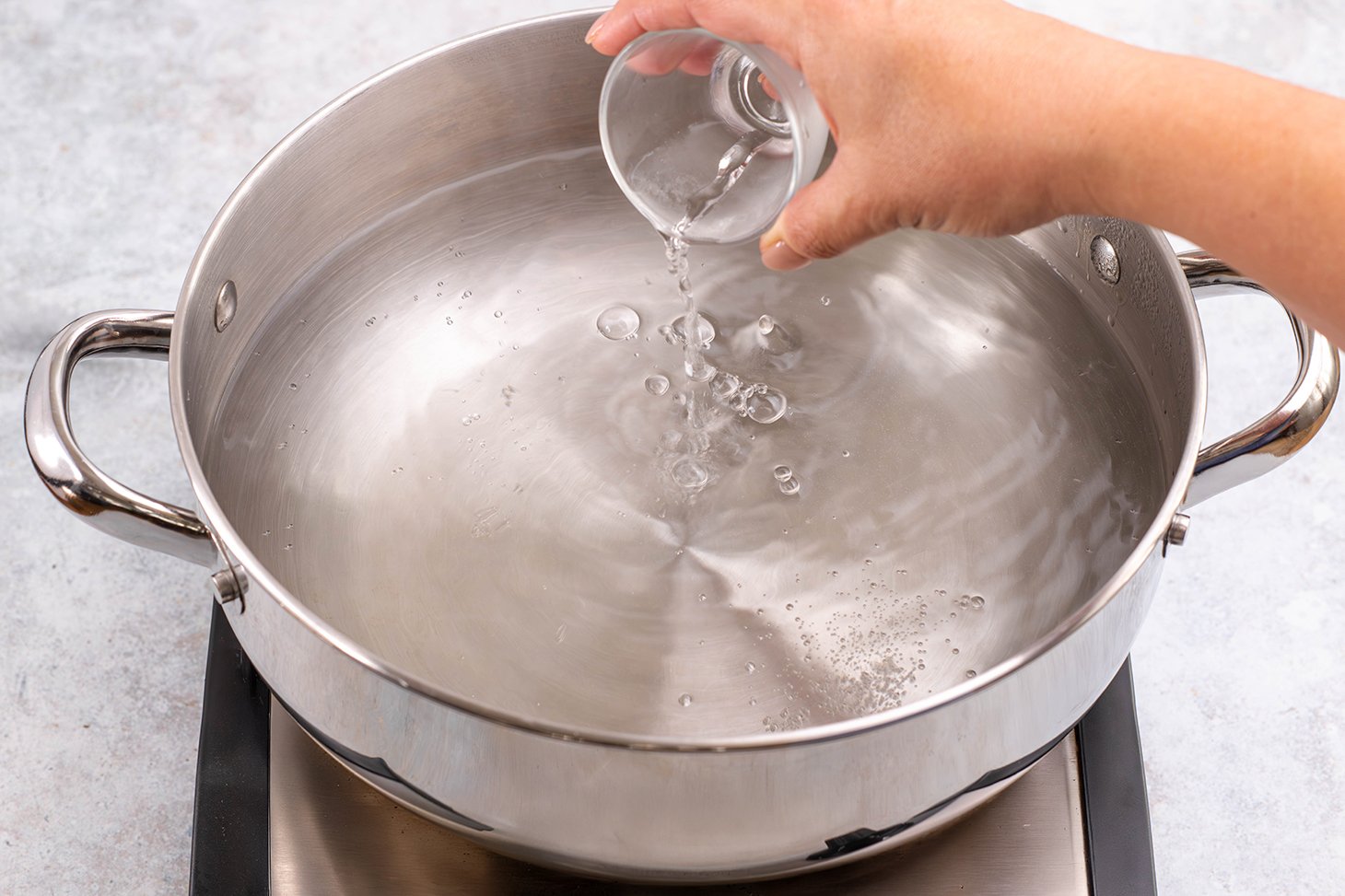 Add the vinegar and gently stir.
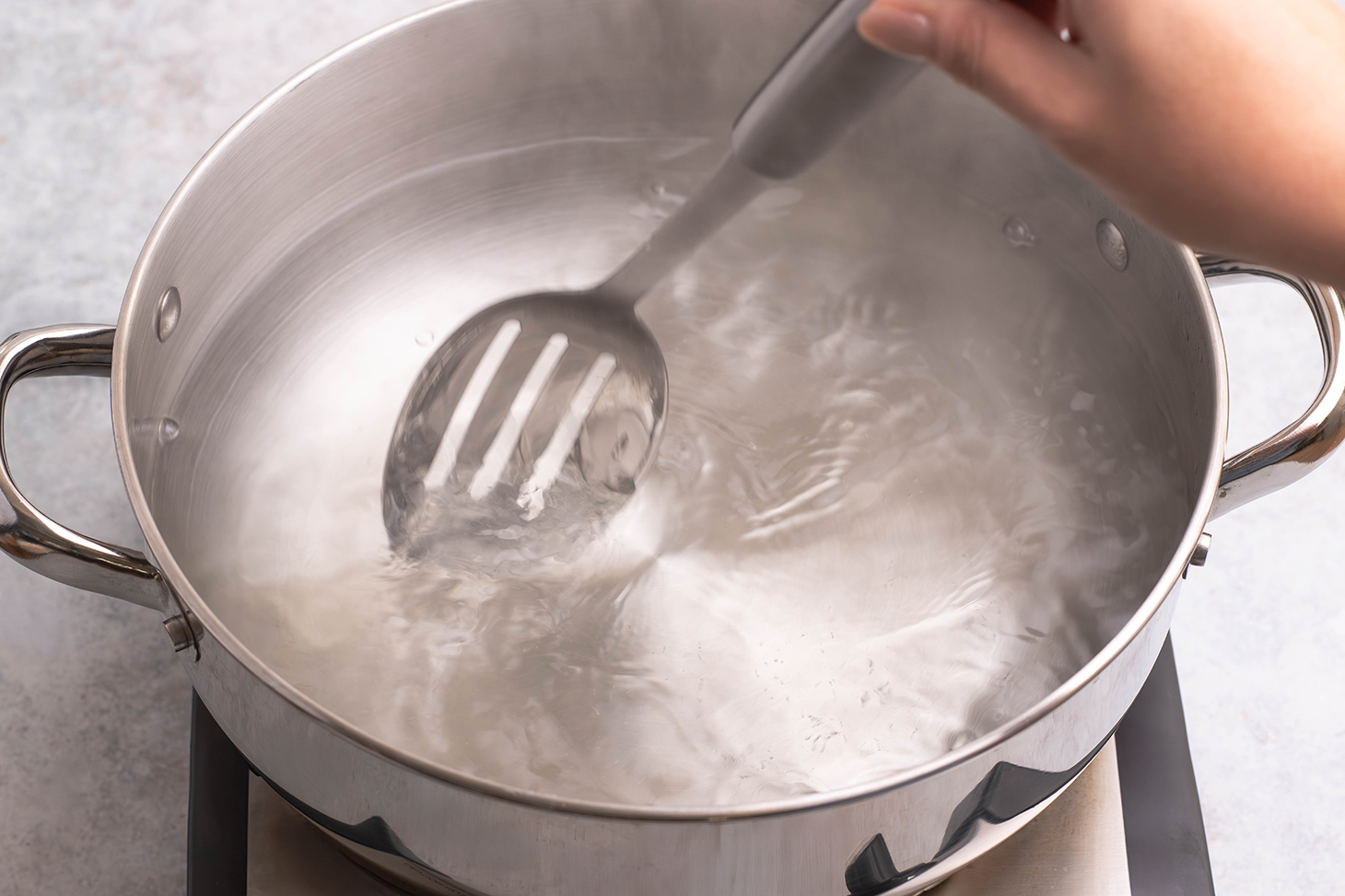 Use a spoon to stir the water in a slow, circular motion, creating a soft whirlpool.
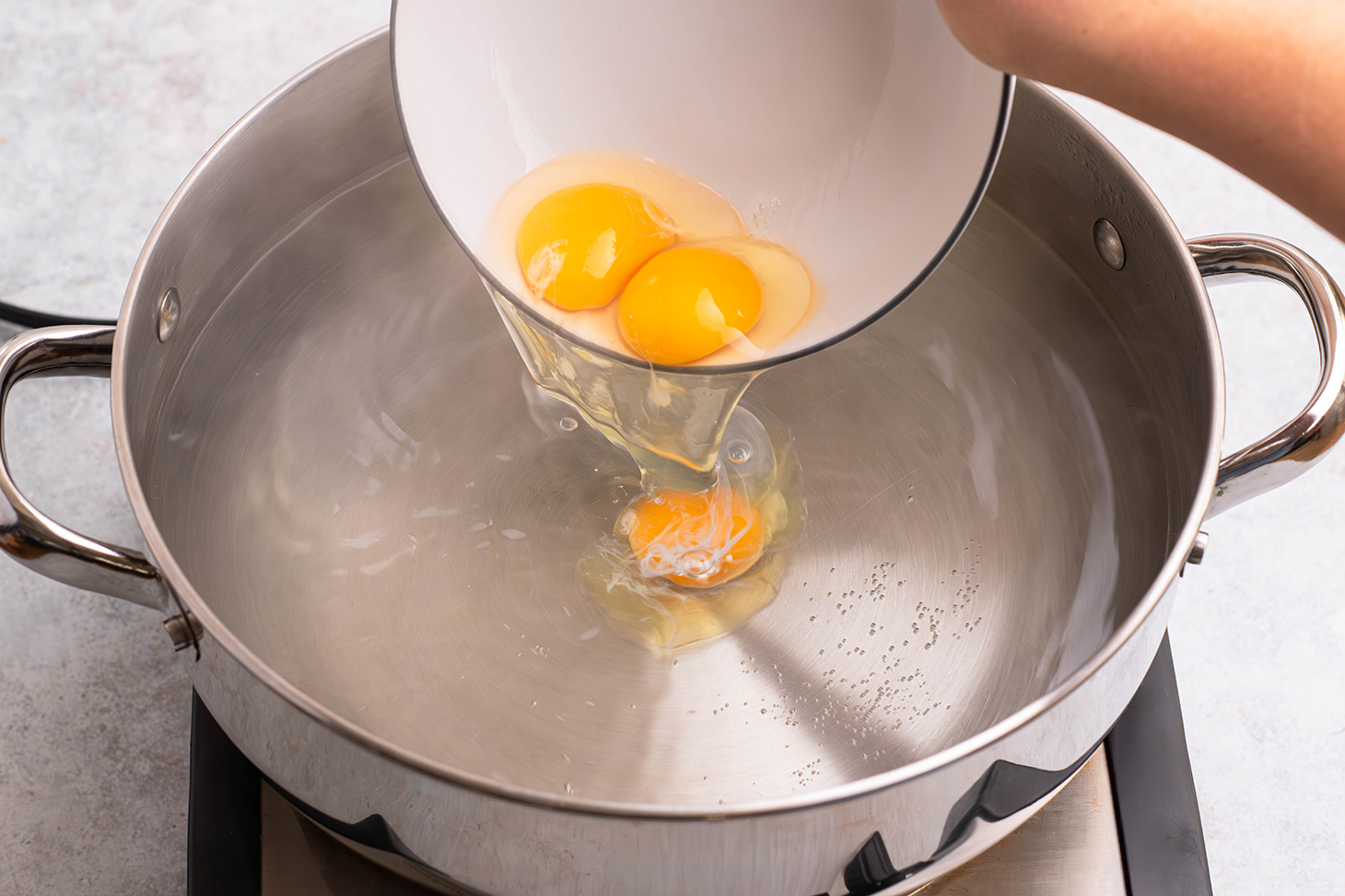 Carefully lower the egg into the center of the swirl. Gently continue swirling for a few seconds to help the whites wrap around the yolk.
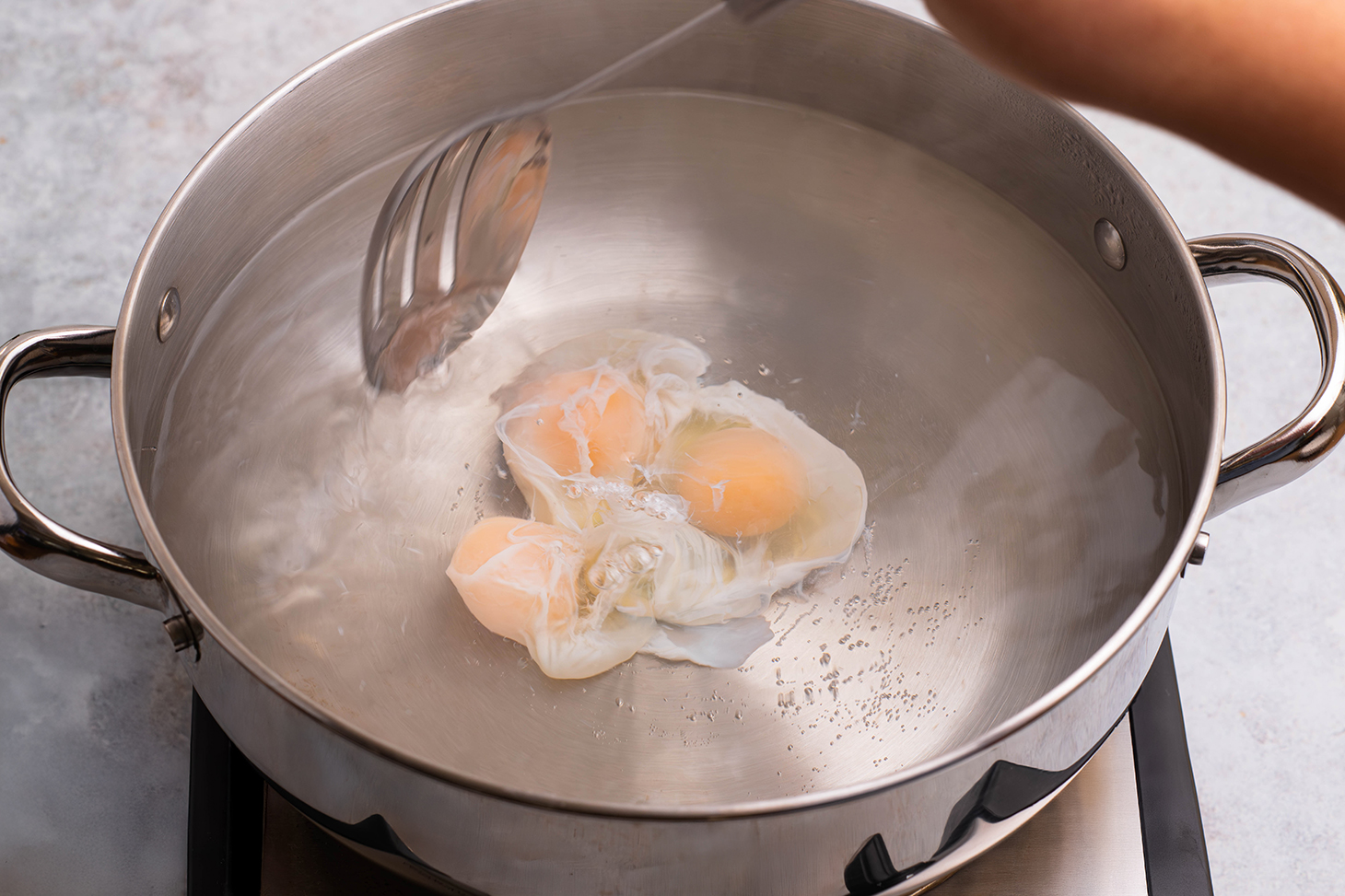 Cook for 3–4 minutes for a runny yolk, or 4–5 minutes for a slightly firmer center.
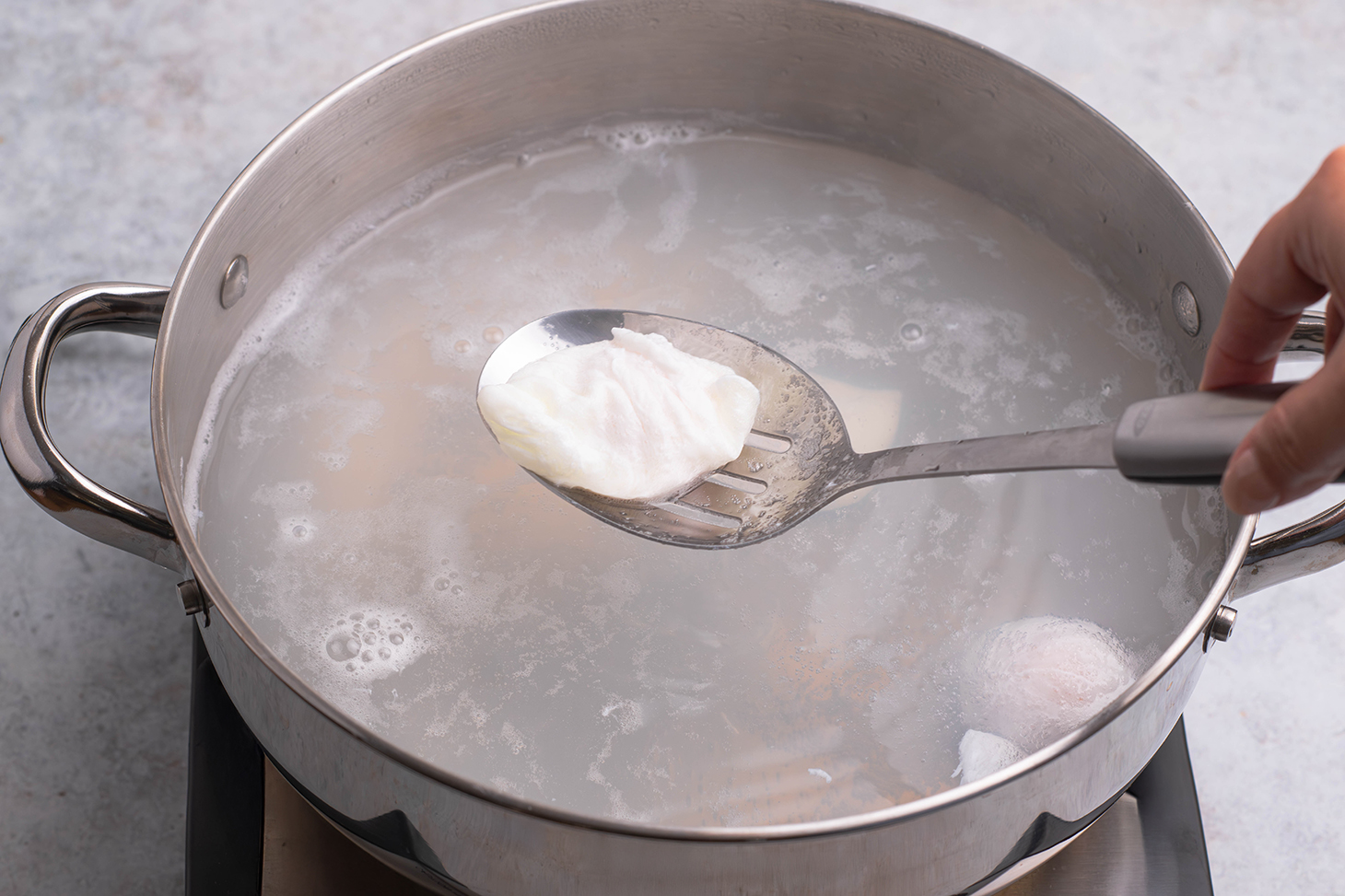 Lift the egg out with a slotted spoon.
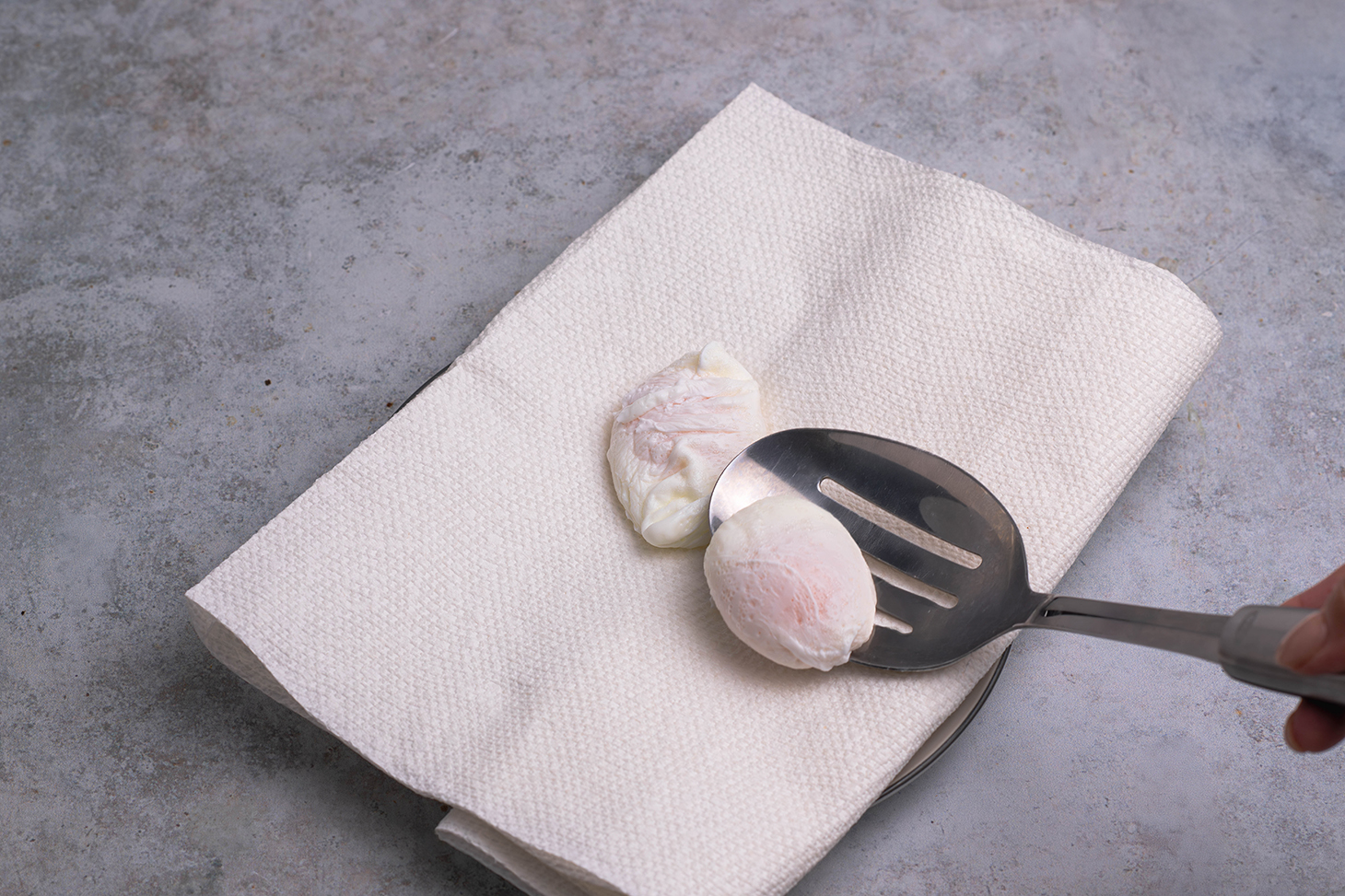 Transfer to a paper towel–lined plate to drain.
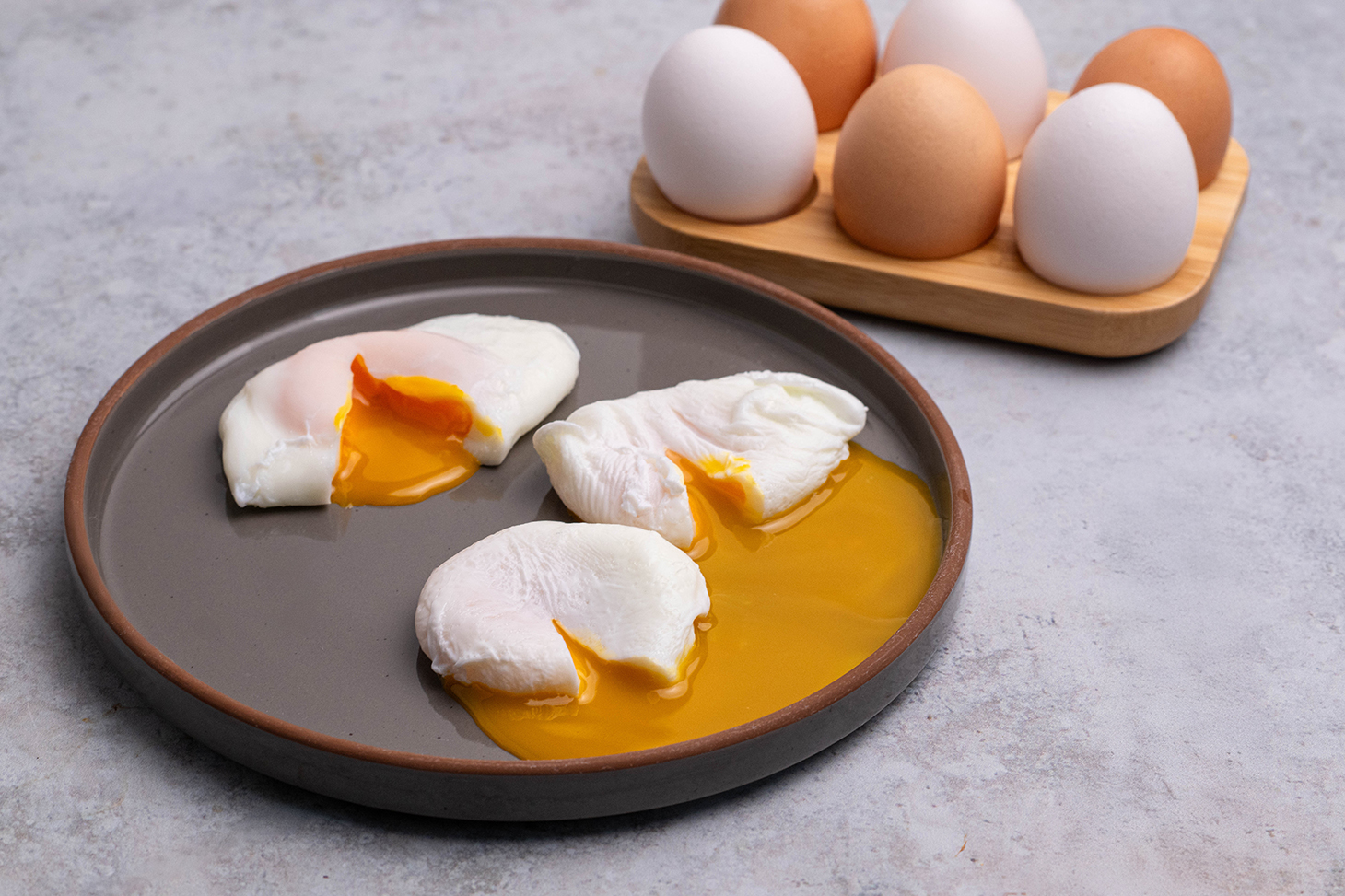 Serve immediately.
You’ve Got This!
Every cook has made a weird-looking poached egg at least once. The goal isn’t perfection. It’s practice. If the yolk is runny and the egg tastes good, you did it right. Trust your timing, keep the heat gentle, and don’t overthink it.
Poaching eggs is less about control and more about calm. Slow down, breathe, and let the water do the work.
Master this once, and you’ll find yourself poaching eggs just because. And honestly? That’s a very good habit to have.
FAQs
Vinegar helps the egg whites coagulate faster and stay together. This is especially helpful if your eggs aren’t very fresh, and you won’t taste it once the eggs are cooked.
If your eggs aren’t fresh, use vinegar, crack the egg into a fine-mesh strainer to drain off loose whites, and poach one egg at a time. Keeping the water at a gentle simmer (not boiling) is key to preventing wispy whites.
Yes. Poach the eggs slightly underdone, transfer them to an ice bath, and refrigerate for up to 24 hours. Reheat gently in hot (not boiling) water for 30–60 seconds before serving.
The whites should be fully set but still tender, and the yolk should feel soft when gently pressed. For a runny yolk, aim for 3–4 minutes of cooking time.